
speaking events
speaking events
-
I specialize in experiential, “bottom-up” trauma therapy rooted in earth-based practices.
I am a trauma and attachment-focused therapist trained in evidence-based modalities, including EMDR (Eye Movement Desensitization and Reprocessing) and DBR (Deep Brain Reorienting).
My work integrates these therapies with nature-based and animal-assisted approaches, offering an alternative to traditional office-based treatment.
Rather than working only through insight and analysis, we work directly with the nervous system — where trauma is stored and where healing begins.
-
Deep Brain Reorienting is a trauma-focused therapy designed to gently access and process the earliest layers of shock and attachment injury held in the nervous system.
DBR works with the body’s original orienting response — the reflexive brainstem shift that happens at the moment something overwhelming occurs. This is often where trauma first imprints.
By slowing down and tracking subtle physiological cues, we allow the nervous system to complete responses that were interrupted at the time of trauma. The goal is not reliving or catharsis, but resolution.
Clients often report:
A deep sense of settling
Increased emotional capacity
Reduced reactivity
A feeling that something foundational has shifted
DBR may support:
Shock trauma (medical trauma, accidents, sudden loss)
Attachment wounds and relational trauma
Early developmental injury
Persistent PTSD symptoms
Anxiety that feels “pre-verbal” or difficult to explain
Trauma that remains despite prior therapy or insight
Because DBR works at a foundational level of the nervous system, it can be effective even when other therapies have provided only partial relief.
-
EMDR is a well-researched and widely used treatment for trauma and distressing life events. It helps the brain process and integrate overwhelming experiences so they no longer feel intrusive or disruptive in the present.
In my practice, EMDR may be offered in traditional sessions or in experiential formats that incorporate nature, movement, or animal-assisted work. This supports the nervous system through real-time sensory input rather than relying solely on visualization.
EMDR integrates bilateral stimulation, mindfulness, and somatic awareness to help the brain resolve trauma from the “bottom up.” Many people find this approach more effective than traditional talk therapy because it works directly with the body and nervous system.
Clients who did not resonate with in-office EMDR sometimes find experiential or nature-based EMDR easier to tolerate and more engaging, as healing occurs through lived experience rather than imagination alone.
-
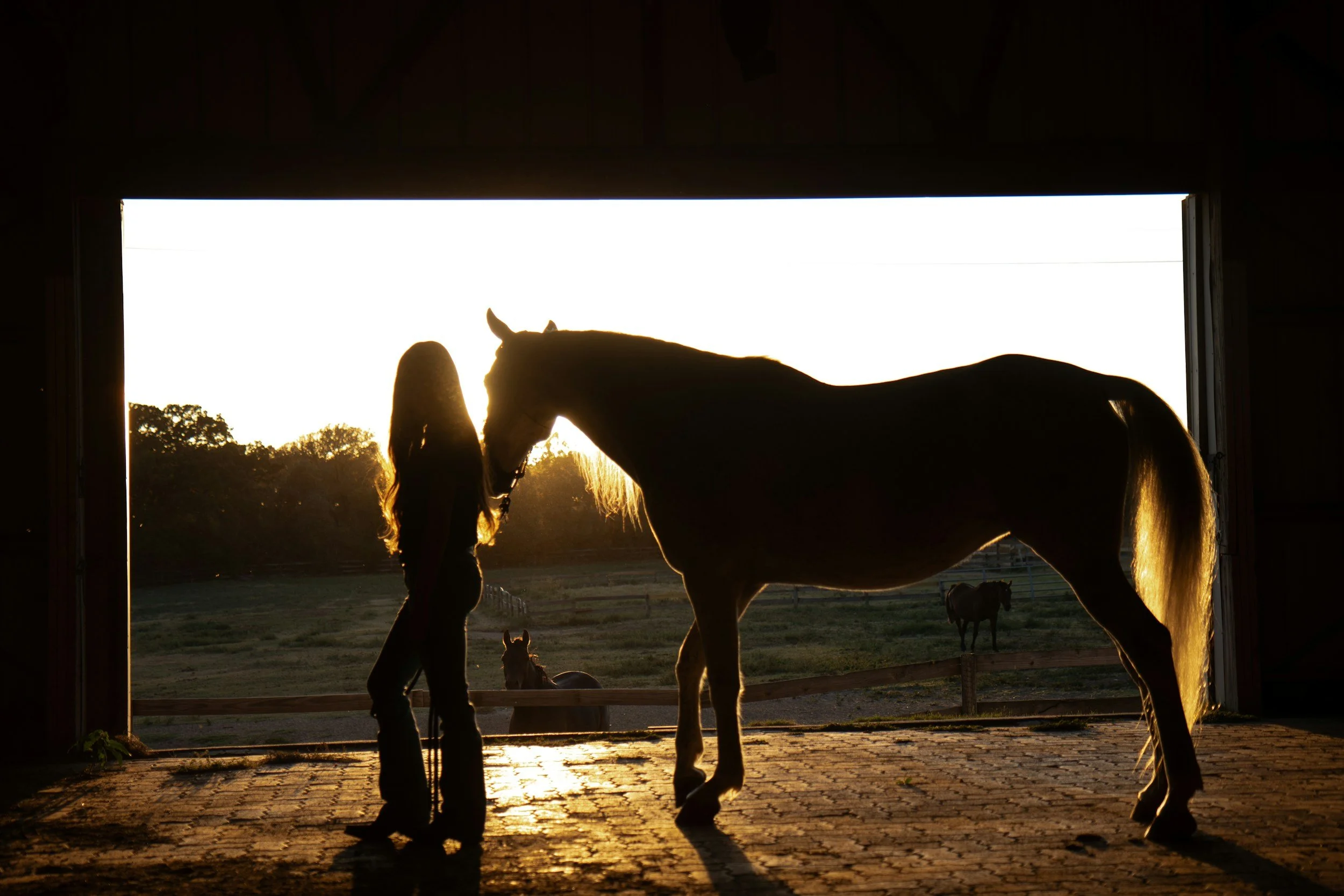
I am trained in EquiLateral™, an equine-assisted EMDR protocol developed by Sarah Jenkins.
This approach combines EMDR principles with equine-assisted therapy, supporting trauma processing through embodied, relational experiences with horses. The presence of the horse provides immediate nervous system feedback and co-regulation, often deepening the work.
EquiLateral™ sessions are offered in collaboration with a professional team at:
Morrison Ranch
Happy Dog Ranch
More information about EquiLateral™ can be found at EquiLateral™.
“You only have to let the soft animal of your body love what it loves.” -Mary oliver
What are earth based therapies?
Earth-based therapy is rooted in a simple truth:
we heal in connection—to ourselves, to others, and to the natural world.
In our work together, we slow things down.
We listen to the nervous system.
We step out of urgency and into awareness.
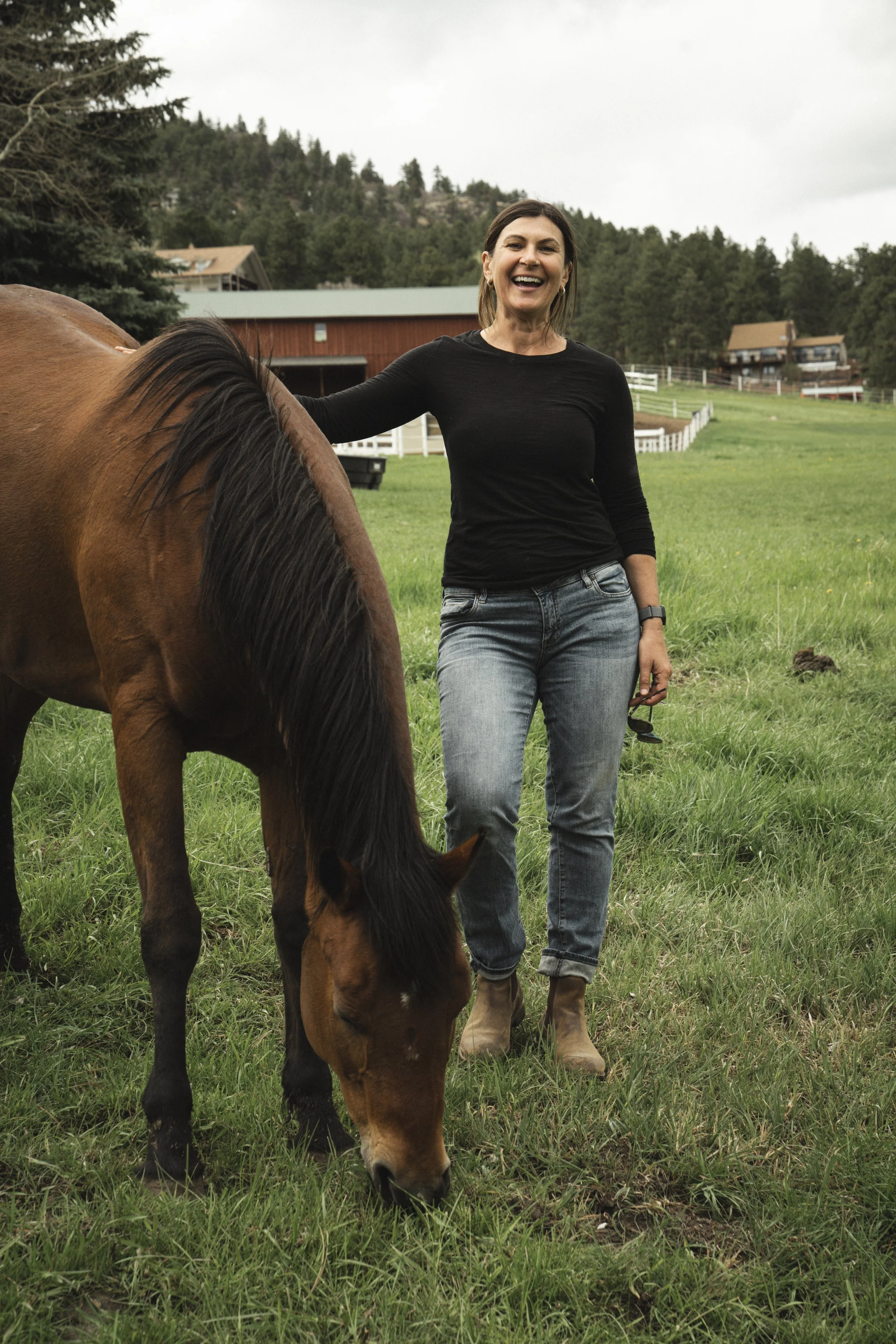
Sometimes that looks like being outside—working alongside horses, walking through open space, or simply sitting with the land and letting it hold what’s heavy.
Sometimes it looks like being inside—cozy, grounded, with Buddy, my therapy dog, nearby.
Most sessions weave in some element of the natural world, even in subtle ways.
You might move between ranch and office sessions, or choose to stay indoors. There’s no one right way—just the way that supports your healing.
I often “prescribe” time outside of session, too: walks, quiet moments under trees, connection with your animals, or small rituals of returning to yourself.
At its core, my work is about practicing undomesticated therapy—
rewilding evidence-based approaches by bringing them into relationship with nature, animals, and the body.
It’s therapy that steps outside the box, outside the building,
and back into something more instinctual, more grounded, more alive.
And for those who prefer it, I do offer in-office sessions as well—just not telehealth.
What is Undomesticated Therapy™?
Undomesticated therapy takes in the long-view of who we are as human beings in client conceptualization. This is therapy that includes and goes beyond the intra- and interpersonal aspects of a client and considers the context of our ancient, undomesticated selves, one’s ecological identity and history, and the role cultural socialization has on a client’s authenticity.
Undomesticated therapy rewilds conventional therapy through many experiential paths and approaches such as: challenging societal conditioning and norms; reawakening instinct and intuition through somatic practices; partnering with animals and wildlife such as horses, donkeys, or birds; integrating herbology or plant medicine; hiking or walk-n-talks; and most importantly – actively collaborating with one’s local bioregion in interventions from a place of competence, relationship, and consideration of the client’s presenting concerns
-Kimberly Rose, Colorado Ecotherapy Institute