trauma Intensives
trauma Intensives
Therapy intensives are designed for clients who are seeking a deeper, more focused experience than traditional weekly sessions alone can provide. Rather than working in 55-minute increments, intensives offer longer, uninterrupted blocks of therapy—typically 2, 4, or 6 hours—allowing us to move beyond the surface and into meaningful, lasting change.
Intensives can be integrated into your existing therapy in several ways. Some clients have an established weekly therapist and choose to work with me for focused, intensive work around a specific issue, trauma, or area where they feel stuck. Following the intensive, they return to their primary therapist with new insight, movement, and momentum.
Other clients choose to work with me exclusively using an intensive model. Rather than attending weekly therapy, they prefer to engage in deeper sessions less frequently—meeting for an intensive every few weeks or months, with time in between to integrate what emerges. This approach often works well for individuals with busy schedules, those who travel frequently, or anyone who finds that deeper, immersive work is a better fit than traditional weekly sessions.
Many clients also choose a hybrid approach, combining in-person intensives with telehealth sessions between intensive experiences. This allows for continued support, integration, and accountability while reducing the need for frequent travel and maintaining the momentum of the work.
This format can be especially helpful when:
Progress feels stalled despite consistent therapy.
There is a specific trauma, pattern, or life transition you want to work through more deeply.
You already have a weekly therapist but want an immersive experience to accelerate growth.
You prefer fewer, longer sessions rather than traditional weekly therapy.
Travel, distance, or scheduling make weekly in-person appointments difficult.
Your nervous system benefits from longer periods of uninterrupted therapeutic work.
I especially like that this version positions intensives as a complement to—not a replacement for—traditional therapy, while also giving prospective clients permission to choose a less frequent, deeper model if that's what fits their life best. That flexibility is a real strength of your practice.
I work toward a minimum of 15 hours of intensive work, which can be scheduled over a timeframe that works best for the client.
Session cost is $175/hour x number of hours spent together paid at the end of each block of time.
“The work is not to fix what broke. It is to sit beside it long enough
for life to return.”
DBR / EMDR Intensives — Frequently Asked Questions
-
Intensives may be a good fit for clients who have already done some therapeutic work and are looking to go deeper, or for those who feel stuck in a particular pattern, symptom, or internal impasse. They can be especially helpful for people who benefit from continuity and spaciousness rather than starting and stopping each week.
-
Intensives are not appropriate for everyone. They may not be recommended for individuals who are currently in acute crisis, experiencing active substance dependence, or who do not yet have enough internal or external support to tolerate deeper trauma work. We will assess readiness together before moving forward.
-
No. Intensives are offered to new clients, usually those who already have an established therapeutic relationship with another therapist who does not do deep trauma work, including DBR. Your history, goals, and current level of support are all taken into consideration when scheduling. An initial consultation is required to determine fit.
-
An intensive typically includes periods of focused therapeutic work alongside time for grounding, regulation, and integration. Sessions are paced carefully, with attention to the nervous system and your capacity in the moment. This is not about pushing through—it’s about creating enough safety and space for meaningful processing.
-
Most intensives are 2, 4, or 6 hours in length, often working toward a total of 10–12 treatment hours over a few days, weeks, or months. Emerging clinical research on Deep Brain Reorienting (DBR) suggests that this range may be associated with significant reductions in PTSD symptoms for some individuals. In certain cases, longer or multi-session intensives may be recommended depending on the nature of the trauma and your individual needs.
-
The work can be deep, but it is approached slowly and thoughtfully. The extended time allows for regulation and settling, which can actually feel less jarring than shorter sessions. We will continually monitor pace and capacity throughout the process.
-
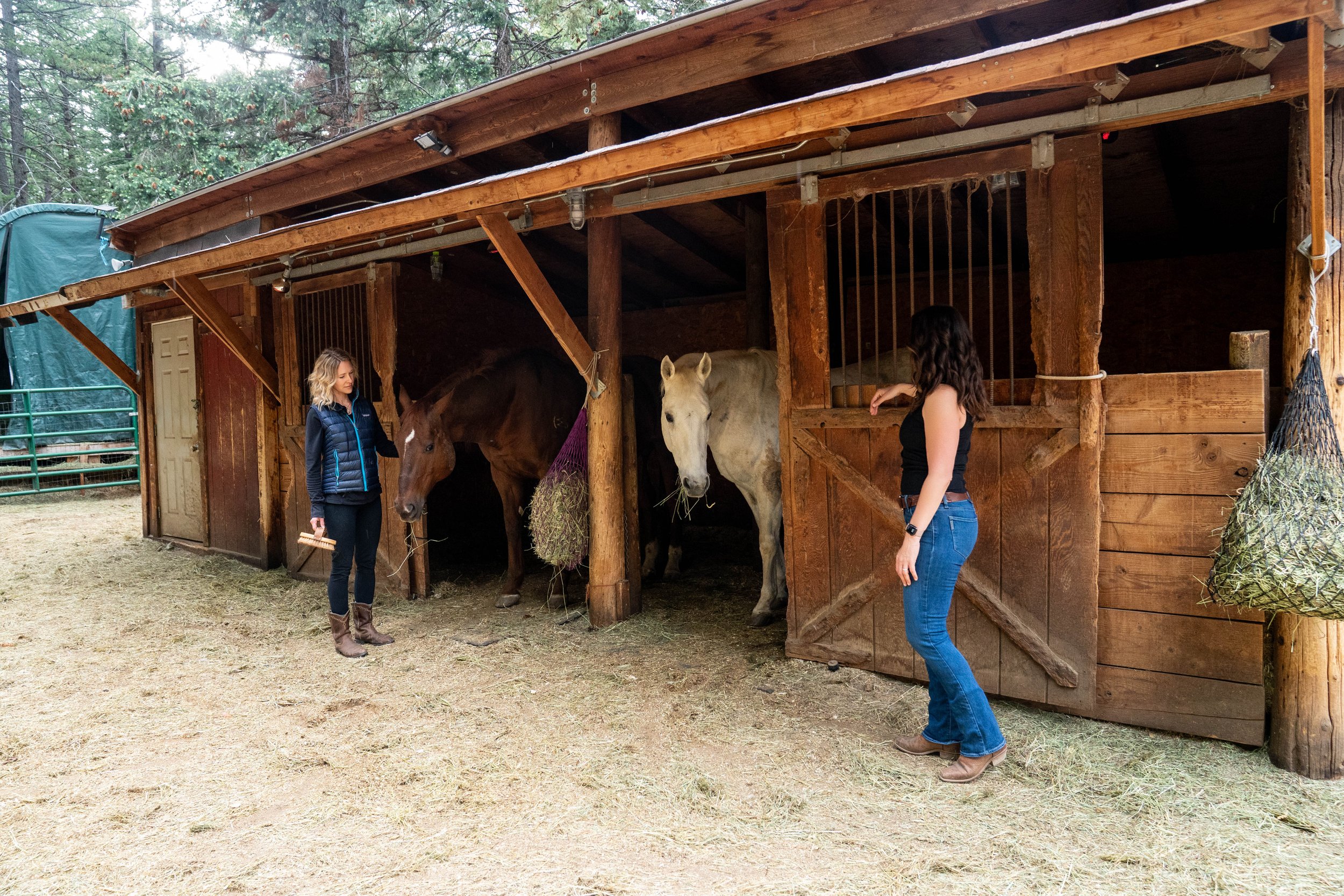
DBR and EMDR intensives are offered both in-office and in nature-based settings, including the ranch. The setting is chosen collaboratively based on the modality, your preferences, and what feels most supportive.
-
Integration is an important part of this work. We will discuss what support looks like following an intensive, including rest, reflection, and possible follow-up sessions. Intensives can stand alone or be woven into ongoing therapy.
-
If you’re curious, uncertain, or wondering whether this approach might be supportive, the best next step is a consultation. Together, we can explore your goals, readiness, and what kind of pacing would feel most appropriate.